

Ronaldo’s Brazil Move Sparks Questions About FIFA’s Future Power

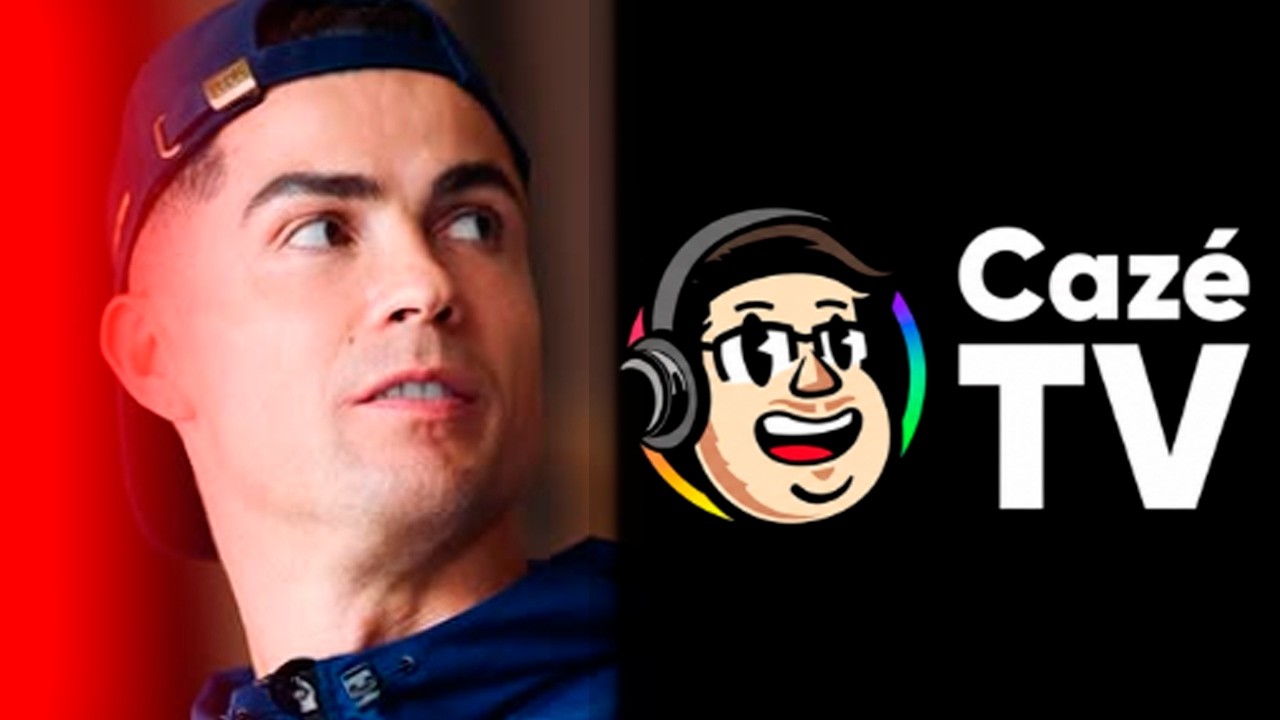
Cristiano Ronaldo’s influence on football may now be expanding far beyond the pitch, with his growing involvement in sports media sparking debate about whether a new broadcasting revolution could eventually challenge FIFA’s traditional control over how fans consume the World Cup.
At the center of the discussion is Ronaldo’s recent investment in Brazilian sports media company LiveMode, the group behind the hugely successful digital platform CazéTV. The platform has secured rights to broadcast all 104 matches of the 2026 FIFA World Cup free-to-air in Brazil through YouTube and digital streaming services, giving millions of fans unrestricted access to football’s biggest tournament without requiring expensive subscription packages.
The move has attracted global attention because it represents a major shift away from the traditional television model that has dominated World Cup broadcasting for decades. Instead of relying entirely on major television networks and pay-TV services, FIFA has increasingly opened the door to creator-led and digital-first platforms capable of reaching younger audiences through YouTube, social media, and streaming ecosystems. CazéTV has already become one of the largest sports channels in the world, recording millions of concurrent viewers during major football events and building a massive online audience across Brazil.
Ronaldo’s involvement has amplified the significance of that transformation. Rather than investing in a conventional sports broadcaster, the Portuguese superstar chose to back a platform built around free access, digital engagement, influencer-driven content, and online communities. According to statements surrounding the partnership, Ronaldo believes sports content should reach wider audiences and that modern broadcasting must evolve alongside changing viewing habits.
For many analysts, the real story is not whether Ronaldo poses a direct threat to FIFA, but whether the model he is supporting could gradually reshape football broadcasting worldwide. Traditional broadcasters have historically spent billions securing exclusive rights to major tournaments, creating one of FIFA’s most valuable revenue streams. However, the rapid growth of free digital platforms raises new questions about how future generations will watch football and whether conventional television will continue dominating sports media.
Interestingly, FIFA itself appears to be embracing parts of that shift. The governing body approved the World Cup agreement with CazéTV as part of a broader strategy aimed at reaching younger audiences through digital platforms. FIFA officials have increasingly emphasized creator-driven coverage, online interaction, and new forms of fan engagement as important parts of football’s future.
At the same time, Ronaldo remains fully focused on extending his playing career toward the 2026 FIFA World Cup. Reports suggest both Al-Nassr and Portugal are carefully managing his workload to ensure he arrives at the tournament in peak condition. The 41-year-old is aiming to become the first male player in history to appear at six different World Cup tournaments, adding another chapter to one of football’s most remarkable careers.
Some observers believe Ronaldo’s involvement in sports media reflects long-term planning for life after retirement. While he continues chasing records on the field, he is also positioning himself within industries that could influence football long after his playing days end. His investment in LiveMode suggests he sees enormous potential in digital broadcasting, especially in football-mad countries such as Brazil where online viewing habits continue growing rapidly.
Whether Ronaldo’s media ambitions eventually challenge traditional broadcasters remains uncertain. What is clear, however, is that football’s broadcasting landscape is changing. The combination of free streaming, digital platforms, influencer culture, and global football icons like Ronaldo is creating a model that could reshape how major tournaments are consumed in the future.
For now, FIFA appears willing to work alongside that evolution rather than resist it. But if digital platforms continue expanding at their current pace, the balance of power in football broadcasting could eventually look very different from the one that has existed for decades.